• Deutsch
  • Packaging Design
    • References
    • Jobs
    • Services
    • Agentur
    • News
  • Sustainable packaging
    • References
    • Services
    • Agency
    • News
    • Blog

Well packaged, better taste

03/21/2022 |   Blog
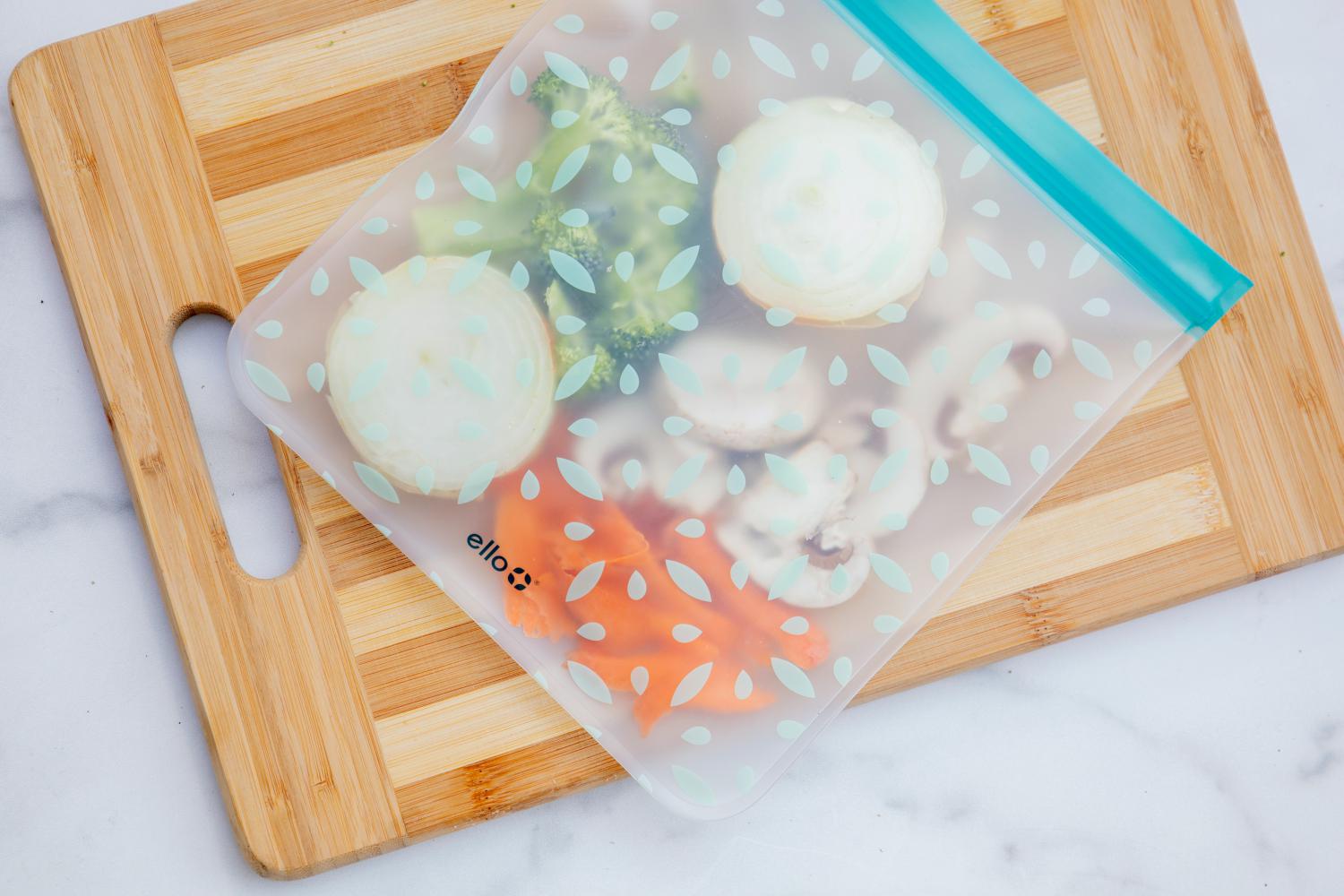
Photo: elloproducts/Unsplash

How well do sustainable packaging and food safety actually get along? Can the desire to use as few and as environmentally friendly materials as possible not ultimately be at the expense of health and hygiene? Or is green packaging also the safest packaging?

Everyone knows it: The nice tale according to which no packaging is the best packaging is only partly true. Where packaging helps to prevent the destruction of food, it has its clear ecological justification. After all, depending on how you count, food production is responsible for 28–34% of total greenhouse gas emissions. Every uneaten cucumbers, and even more so every kilogram of meat thrown away, is in total a quite massive and also completely unnecessary climate burden. Packaging can counteract this.

But packaging also protects customers and their health. There are many reasons why only around 5,000 people die each year in Europe as a result of food poisoning, compared with around 420,000 worldwide, 175,000 of whom live in Southeast Asia alone. In addition to better refrigerating chains and higher production standards, packaging also plays a role – if only because it provides a mechanical barrier against potentially harmful germs and bacteria. So packaged can also mean safer food.

At the same time, however, many packaging component were suspected of being harmful to health in recent decades. For example, due to adhesives that can migrate from the packaging into the food, or plasticizers. Various coatings may also be problematic.
Sustainable is usually also healthy

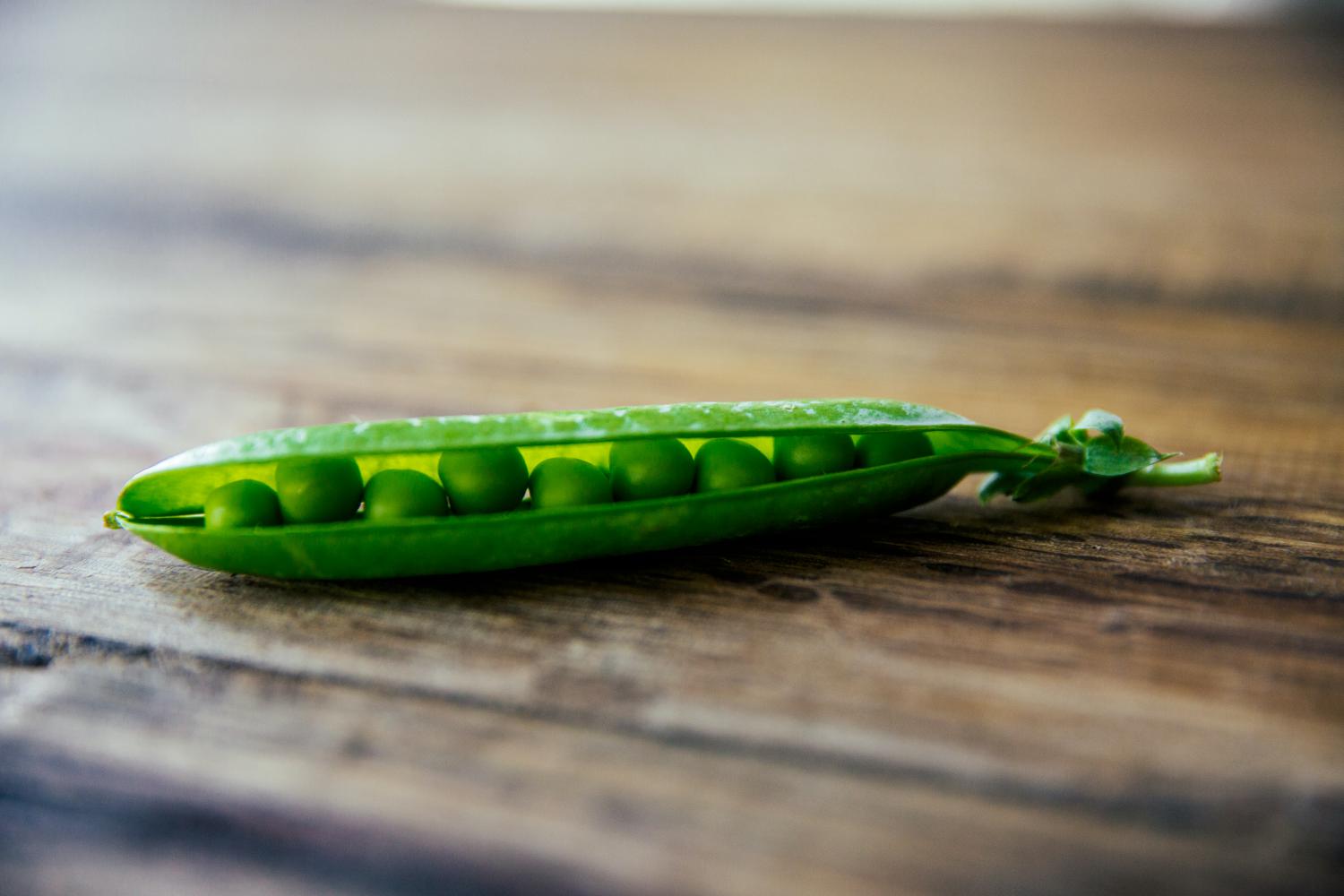
The good news that can be countered, however, is that 'the more sustainable the packaging is, the more suitable it is for being recycled, the safer it is generally. This is because the best packaging for recycling is made from as few and as simple components as possible. This requirement alone ensures that the number of potentially hazardous substances in such packaging remains low', says Peter Désilets about the circular economy.

At the same time, the industry is also working quite successfully to enable alternatives to packaging components, that possibly contain a health risk. In the case of adhesives, for example, which are also used for very simple cardboard packaging, even if only to affix the label, a whole range of food-safe and even eatable alternatives is now available.

And the development continues. A separate chapter in food protection and health could soon be opened by so-called intelligent packaging materials. The requirements profile and expectations for these packaging materials of the future are extremely extensive: not only should they be biodegradable and harmless to humans, they should also adapt to the protection requirements of the food in question. Sounds like science fiction, but it can be done.

Photo: Rachael Gorjestani/Unsplash

Adaptable packaging

In any case, earlier this year a mixed research team from Singapore and the U.S. unveiled a food packaging solution that comes pretty close to that profile. Based on corn protein, starch and bioplastics, the researchers developed a packaging material that they coated with an antimicrobial cocktail that reacts to certain enzymes. As a result, the more moisture or bacteria that enters the packaging, the more the antimicrobial mixture reacts and can kill dangerous germs – a fantastic option for food.

For Philip Demokritou, who worked on the development of the new substance as one of the project leaders, such smart packaging could become a real game-changer in the future: “Developing biodegradable, non-toxic food packaging materials is one of the most efficient ways to improve food safety and reduce spoiling and waste“, says Désilets

Dietmar Österreicher also argues that, despite the justified search for packaging minimization, the health protection aspect should be kept in plain sight, especially in the food sector. As a member of various committees, including the Austrian Food Book, Österreicher has been able to acquire a very diverse knowledge of various packaging materials for decades. His conclusion is quite clear. You can make all kinds of adjustments to reduce the amount of packaging, he thinks, but in many cases it doesn't make sense to do without any food packaging altogether for hygiene reasons. Addendum: “It's worth considering, however, whether every bite has to be individually packaged.“

YOU WANT TO WORK WITH US?

Ask us without obligation!

PACOON Newsletter

Sign up for our newsletter and stay up to date!

Subscribe to newsletter now

Whitepaper

"Trends + Sustainability in Pharmaceutical Packaging"

Download here free of charge

  • Packaging Design
    • References
    • Jobs
    • Services
    • Agentur
    • News
  • Sustainable packaging
    • References
    • Services
    • Agency
    • News
    • Blog

Contact Munich

pacoon GmbH | Strategy + Design
Goethestraße 20
80336 München

+49 (0)89 890 45 75-0
info[at]pacoon.de

Contact Hamburg

pacoon Hamburg GmbH | Strategy + Design
Heckscherstraße 48a
20253 Hamburg

+49 (0)40 368 81 48-20
infohh[at]pacoon.de

Sustainability

pacoon Sustainability Concepts GmbH
Heckscherstraße 48a
20253 Hamburg

+49 40 368 81 48 80
sustainability[at]pacoon.de

PACOON Newsletter

Sign up here  for our newsletter and stay up to date!

Imprint & Data Protection

Click here
Customise privacy settings

General terms and conditions

Click here