• Deutsch
  • Packaging Design
    • References
    • Jobs
    • Services
    • Agentur
    • News
  • Sustainable packaging
    • References
    • Services
    • Agency
    • News
    • Blog

The difficult path to smart packaging

03/21/2022 |   Blog
Photo: Katie Goertzen/Unsplash

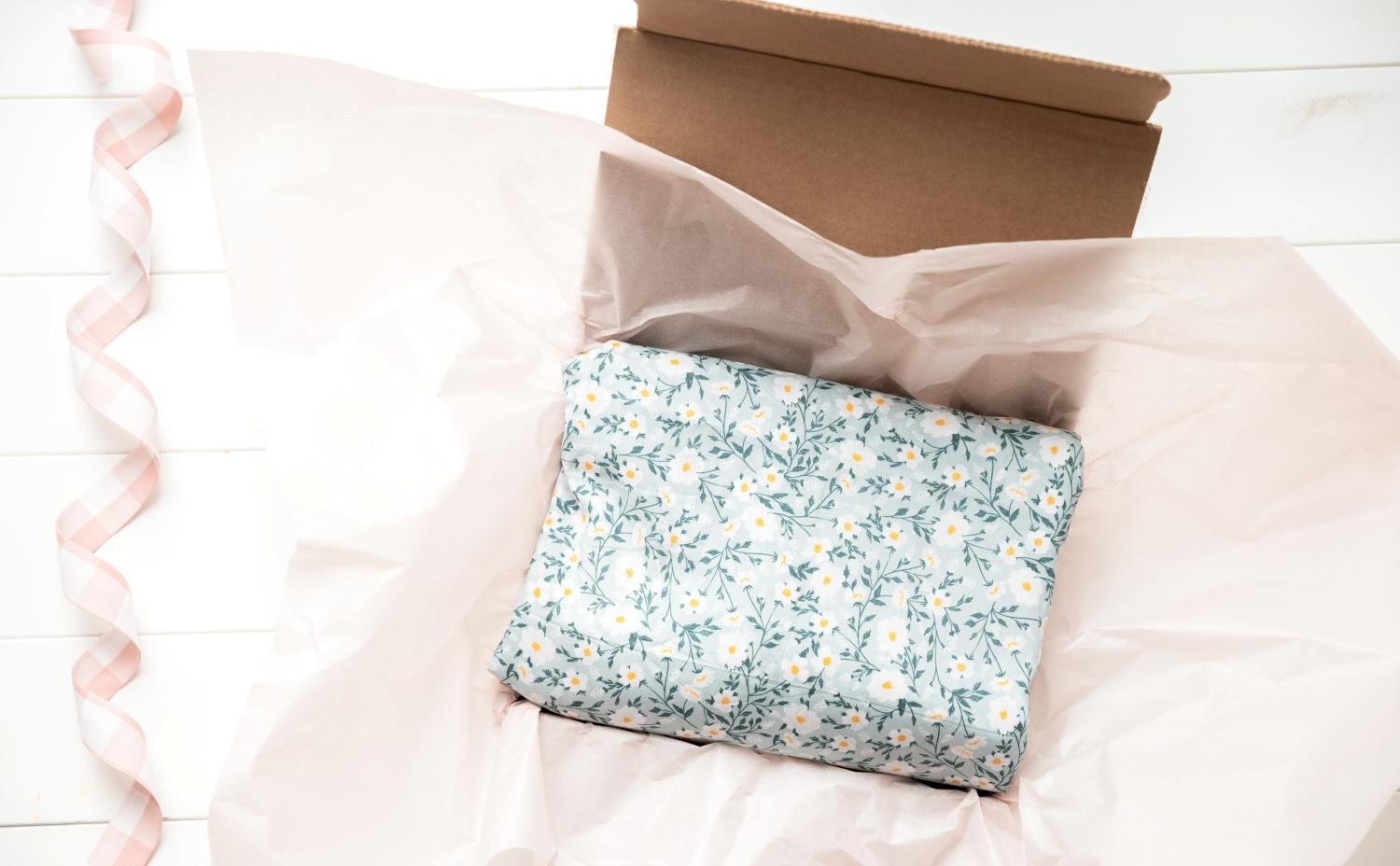
Packaging should protect the goods until they arrive at their destination. At the point of sale (POS), however, the requirements profile shifts: here, the product must also stand out so that it is purchased. For a long time, suppliers have chosen oversized and therefore not exactly optimal solutions for this purpose, both logistically and ecologically. How the contradiction can be resolved:

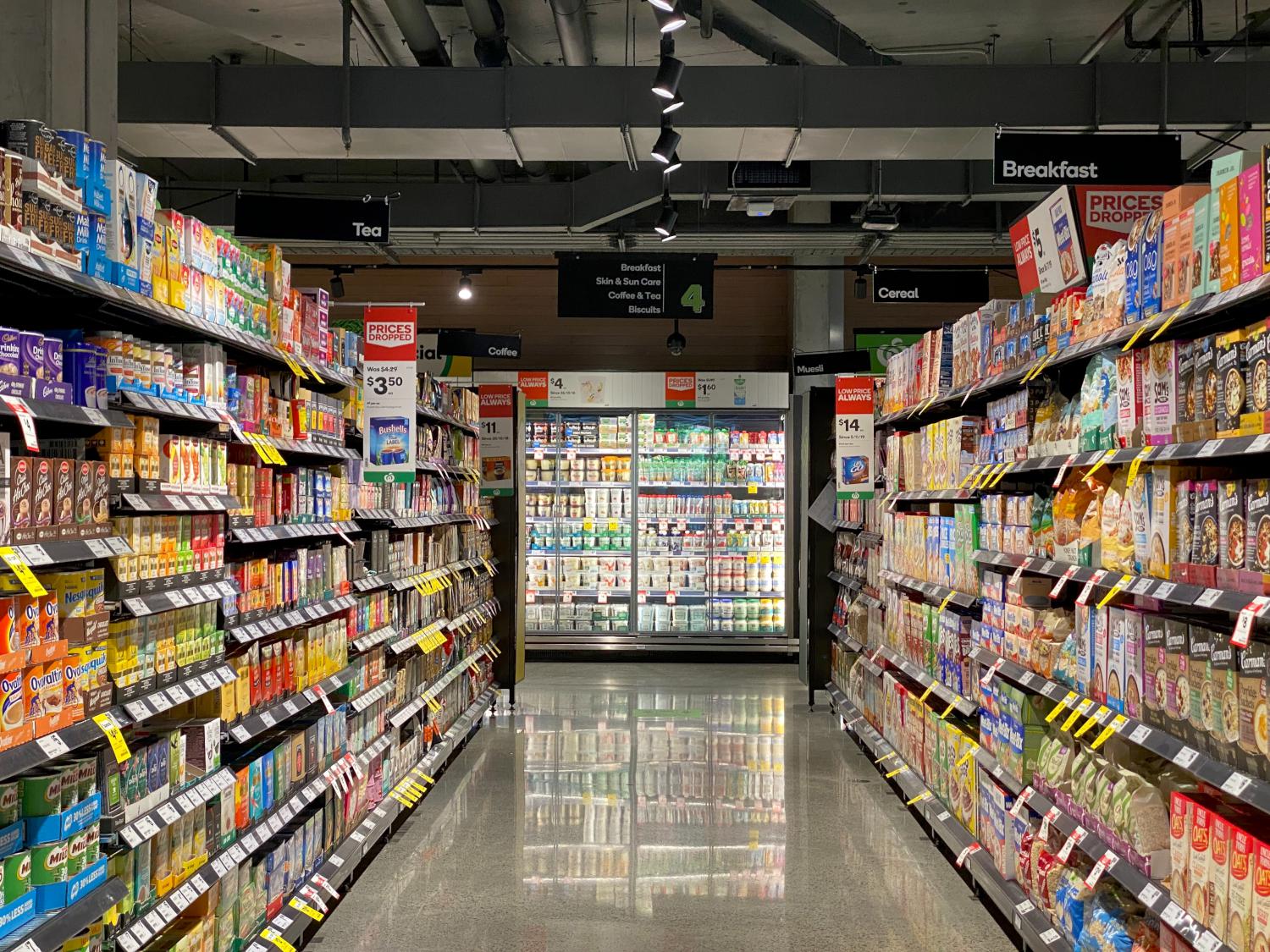
It is a difficult calculation. The results of an attempt to quantify the intangible value of packaging are accordingly ambiguous. After all, visibility at the point of sale (POS), customer loyalty and the advertising impact that good packaging can generate are difficult to put into figures. For a long time, production managers tried to justify the guiding principle 'When in doubt, rather go a little bigger' with this uncertainty - in the hope that larger and therefore more expensive packaging would ultimately bring higher sales figures and ultimately profit. After all, the supermarket shelf is all about one thing: attracting attention at any price.

Figures collected by the German Packaging Institute show how important the advertising aspect of packaging still is. After the protection of the products, this aspect already comes in second place: every second production manager surveyed considers the advertising aspect to be indispensable.

The concept of controlling the advertising effect of packaging primarily through size is wearing away more and more. Not only because (especially in the retail) the argument of a deceptive package quickly arises, which ultimately promises more than it can deliver. In order to minimize their carbon footprint and costs, companies are now also trying to optimize the materials used for packaging. And this movement even started before the rapid rise in energy prices, which has made paper and corrugated board, one of the most popular and sustainable packaging materials, extremely expensive and in some places even a scarce commodity. 'Approaches are being taken to save material or to rely on alternative fiber materials. New fiber materials are coming onto the market as packaging such as grass paper, cup-plant, bagasse or other agricultural and production residues. Others are currently still being tested, which can offer CO2 savings in addition to potential cost savings and better, regional availability', says PACOON Managing Director Peter Désilets.
Process thinking in demand

The extent to which optimization has progressed in the meantime can be demonstrated using a simple calculation example: If consumption in Germany was the same today as it was 30 years ago, the amount of packaging would have been reduced by 1.7 million tons due to smarter design and more economical use of packaging materials, calculates the German Packaging Institute. The fact that the absolute packaging volumes are nevertheless rising is due to increased consumption.

"It's a bit like hare and hedgehog," says Kim Cheng, executive director of the Packaging Institute. Even though across all industries and segments, from B2C to B2B, packaging is getting lighter and leaner, in a growing economy, the total output and ultimately the amount of packaging waste that needs to be recycled or disposed of is still increasing, she adds.

Further improvements will therefore be essential. Redesigning existing solutions or switching to completely new packaging can be powerful levers in this regard, also from a business perspective. To do this, however, they must go deep enough and consider not only the material itself but also the packaging process. After all, it is not the material itself that is responsible for around eighty percent of the costs of packaging, its handling. Above all, storage and transport costs are very closely related to the size of a package. PACOON Managing Director Désilets therefore advocates an honest cost analysis: “Our experience from several projects shows that the savings quickly amount to double-digit percentages across the entire value chain: from material savings, transport size and weight, storage, handling costs in the production process, to disposal fees. Comparing only the pure material costs is an incomplete approach and also quickly leads to false conclusions and wrong decisions."

Photo: Franki Chamaki/Unsplash

The Sweet Spot Challenge

Finding the sweet spot here is anything but easy and depends very much on the specific product. For example, smaller packages require more material to protect the same amount of a product, so at first glance they are at a disadvantage. However, they may be easier to stack on a pallet, which can be a big advantage in both transportation and storage.

And the other way around: At first glance, large packages are more economical because they consume less material per packaged unit. However, if these packages have a lot of empty space due to a less than optimal design, which is often the case, not only is space wasted, but the number of transport tours required to bring a given quantity to its destination may also be increased – because a lot of air is transported.

Unfortunately, there is no universal standard solution for the optimal relationship between product and packaging size. The best results can therefore be achieved if product manufacturers and packaging designers work together as closely as possible, and ideally as early as the product development stage, to integrate sustainability, logistics and marketing aspects into an optimal, multifunctional package. It simply takes a holistic perspective. “That's why we always look at the entire process with the customer and question entrenched standards and processes. Corona made this analysis more difficult because on-site visits were hardly possible. But the whole understanding also enables new approaches and savings potential. The exchange with the departments is just as important. Our experience also shows that a large number of optimization approaches are already existing in the company, they are just not sufficiently heard or thought through further. This is where we act as moderators, and later as concept developers“, says Désilets.

YOU WANT TO WORK WITH US?

Ask us without obligation!

PACOON Newsletter

Sign up for our newsletter and stay up to date!

Subscribe to newsletter now

Whitepaper

"Trends + Sustainability in Pharmaceutical Packaging"

Download here free of charge

  • Packaging Design
    • References
    • Jobs
    • Services
    • Agentur
    • News
  • Sustainable packaging
    • References
    • Services
    • Agency
    • News
    • Blog

Contact Munich

pacoon GmbH | Strategy + Design
Goethestraße 20
80336 München

+49 (0)89 890 45 75-0
info[at]pacoon.de

Contact Hamburg

pacoon Hamburg GmbH | Strategy + Design
Heckscherstraße 48a
20253 Hamburg

+49 (0)40 368 81 48-20
infohh[at]pacoon.de

Sustainability

pacoon Sustainability Concepts GmbH
Heckscherstraße 48a
20253 Hamburg

+49 40 368 81 48 80
sustainability[at]pacoon.de

PACOON Newsletter

Sign up here  for our newsletter and stay up to date!

Imprint & Data Protection

Click here
Customise privacy settings

General terms and conditions

Click here